Rome skyline
Photo: Nicholas Hartmann · CC BY-SA 4.0

Travel guide

Things to Do in Rome: The Ultimate Guide to the Eternal City

Discover the best things to do in Rome, from the Colosseum and the Vatican to the Pantheon, Trevi Fountain, Trastevere trattorias, and hidden ancient wonders.

Last updated January 2026

Coordinates
41.90° N, 12.50° E
Best season
Apr – Jun · Sep – Oct
Language
Italian
Currency
Euro (€)
Time zone
CET (UTC+1)

No city layers history quite like Rome, and figuring out the best things to do in Rome can feel overwhelming when nearly three thousand years of empire, art, and faith are stacked on top of one another within a walkable center.

The best of the city rewards the wanderer: you can stand inside the Colosseum in the morning, crane your neck at Michelangelo's Sistine ceiling by afternoon, and toss a coin into the Trevi Fountain after dark, all on foot.

This is a place where ancient ruins share a piazza with baroque fountains and where the espresso is as serious as the archaeology.

What makes Rome special is how alive its past feels. The Forum where senators once argued sits a few minutes from a gelato counter; a two-thousand-year-old temple, the Pantheon, still holds Mass beneath the world's largest unreinforced concrete dome.

The city is really a collection of rioni, each with its own character: the tangled lanes of the Centro Storico, the ivy-draped osterias of Trastevere, the bohemian bars of Monti, and the sober grandeur of the Vatican across the Tiber.

You can eat spectacularly on a budget, cross an entire sovereign state (Vatican City) in an afternoon, and find a 1,900-year-old sculpture around almost any corner.

This guide is built to be comprehensive, whether you have a single rainy afternoon, a family weekend, a romantic escape, or a full week to explore.

We break Rome down by mood and traveler, fun, free, family-friendly, adults-only, romantic, nightlife, and rainy-day picks, then move through the seasons and the neighborhoods so you can build an itinerary that actually fits how you like to travel.

The Best of Rome

🎟️GetYourGuide / Viator, book tours & tickets. Affiliate slot (stub).
20 places on the map · tap a pin for details
Colosseum

📍 Celio / Monti

Colosseum

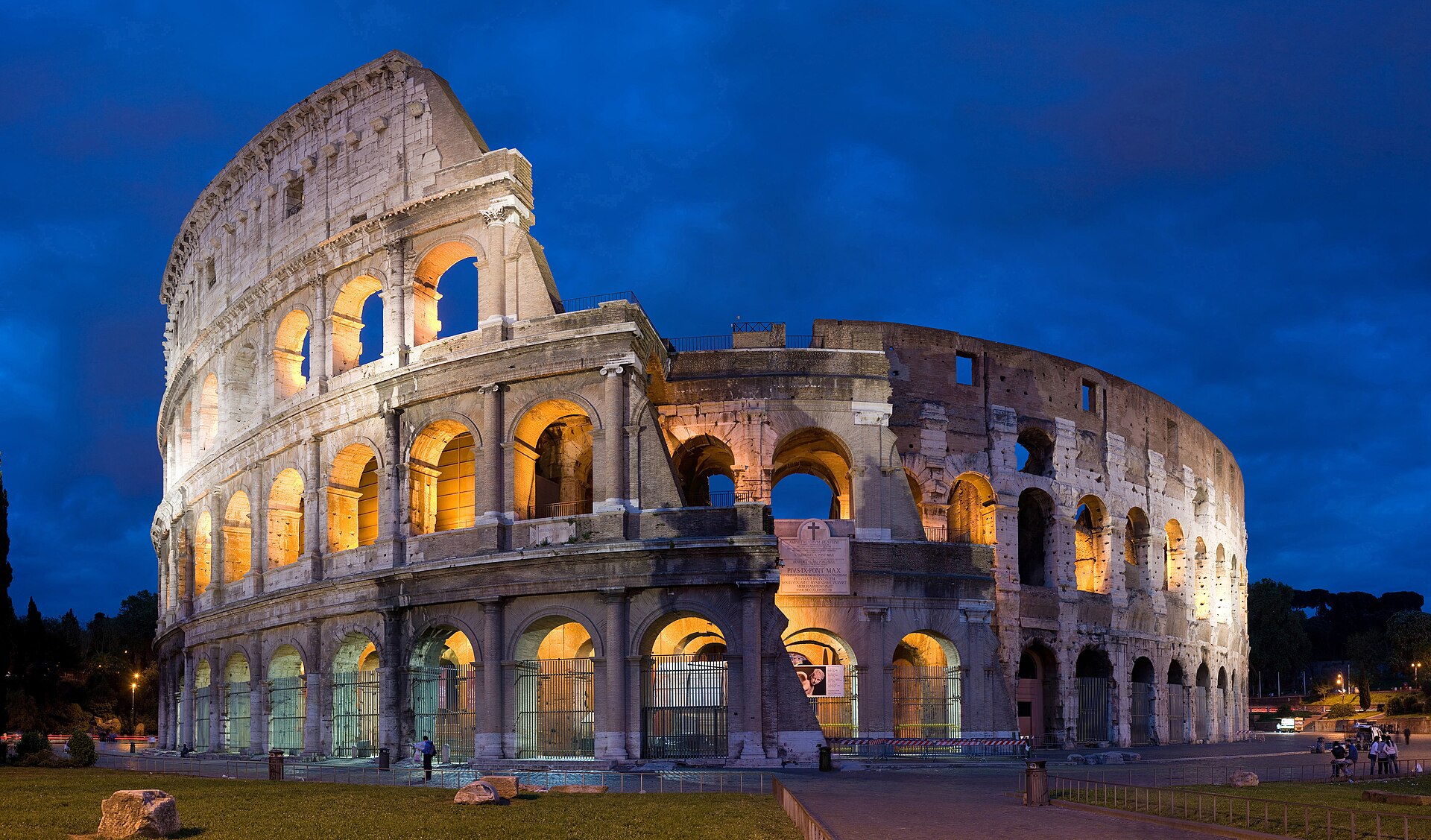
The largest amphitheater ever built and the enduring symbol of Rome, this 80 AD marvel once held up to 50,000 spectators for gladiatorial combat and staged hunts. Today you can walk the arena floor, descend into the hypogeum, the underground network of cages and lifts, and climb to the upper tiers for views over the Forum. A timed ticket (shared with the Forum and Palatine Hill) is essential, and booking ahead skips brutal lines. Come at opening or in the last light of day, when the travertine glows gold and the crowds thin.

📍 View on Google Maps →
Roman Forum & Palatine Hill

📍 Centro Storico

Roman Forum & Palatine Hill

The beating heart of ancient Rome, the Forum was the empire's civic, political, and religious center, and its jumble of temples, arches, and basilicas still stirs the imagination. Wander the Via Sacra past the Arch of Titus and the House of the Vestals, then climb the Palatine Hill, mythical founding site of the city and later home to imperial palaces, for sweeping views over both the Forum and the Circus Maximus. Wear good shoes and bring water; the site is vast, largely unshaded, and covered by the same ticket as the Colosseum.

📍 View on Google Maps →
Vatican Museums & Sistine Chapel

📍 Vatican City

Vatican Museums & Sistine Chapel

One of the greatest art collections on earth, amassed by popes over five centuries, culminating in Michelangelo's overwhelming Sistine Chapel ceiling and 'Last Judgment.' The route winds through the Gallery of Maps, the Raphael Rooms, and endless halls of classical sculpture before delivering you, hushed, beneath the frescoes. It is immense and popular, so book a timed entry, and consider an early-access or evening slot to dodge the worst crush. No photos are allowed in the Sistine Chapel; simply stand, look up, and take it in.

📍 View on Google Maps →
St. Peter's Basilica

📍 Vatican City

St. Peter's Basilica

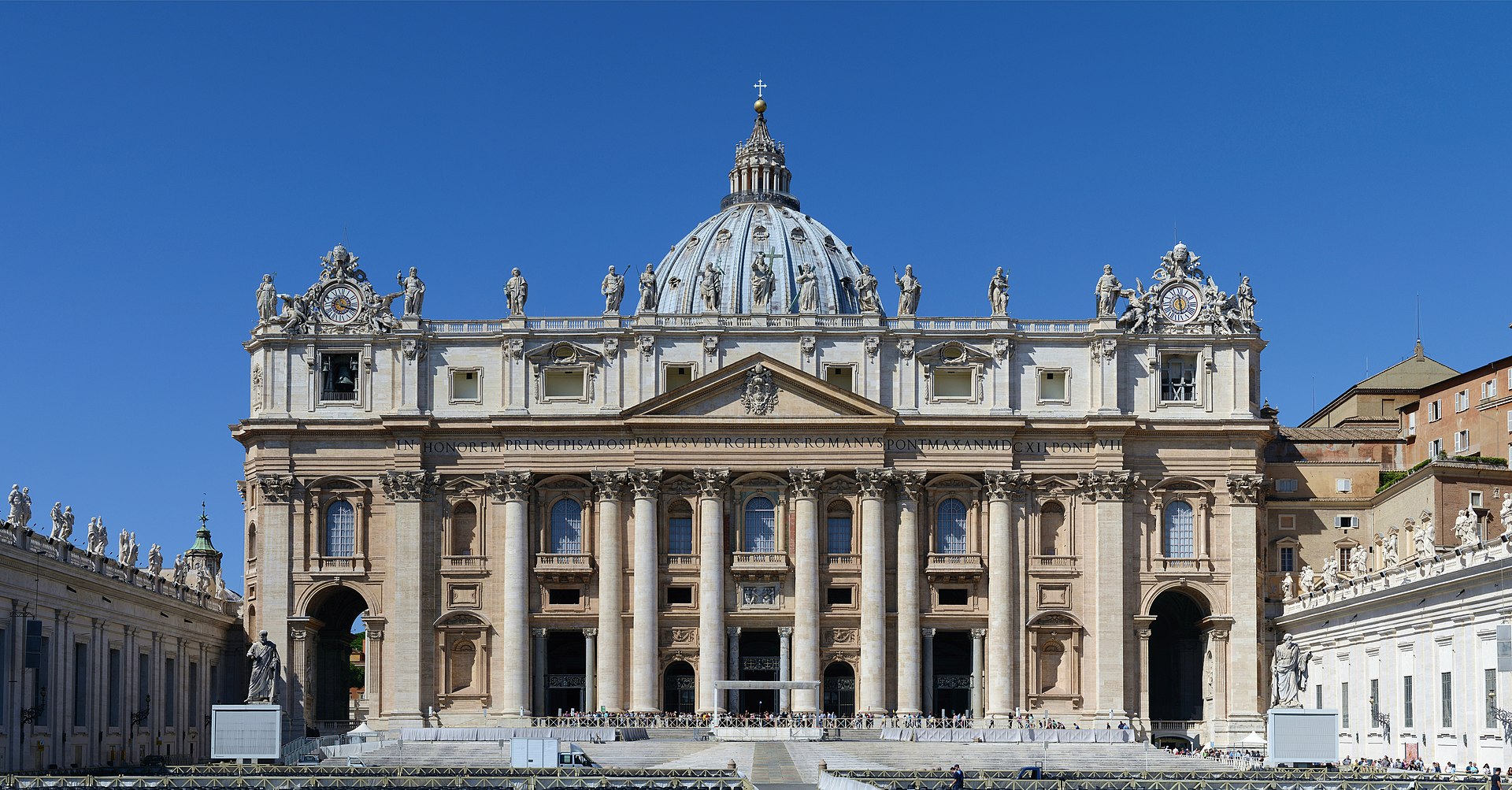
The largest church in the world and the spiritual center of Catholicism, St. Peter's is a staggering feat of Renaissance and baroque genius, from Michelangelo's soaring dome to Bernini's bronze baldachin and his tender 'Pietà.' Entry to the basilica is free (expect a security line and a modest dress code), while a ticket lets you climb the cupola for one of the best panoramas in Rome. Bernini's colonnaded piazza outside is a masterpiece in its own right. Arrive early or near closing to experience the interior at its calmest.

📍 View on Google Maps →
The Pantheon

📍 Centro Storico

The Pantheon

The best-preserved monument of ancient Rome and, nearly two thousand years on, still the largest unreinforced concrete dome in the world. Built by Hadrian around 126 AD, its perfect proportions and the oculus, an open eye to the sky that lets in a shaft of sun (and the occasional rain), remain hypnotic. Now a church, it holds the tombs of Raphael and Italian kings. Entry now requires an inexpensive timed ticket; step inside, look up, and feel the scale that inspired architects from the Renaissance to today.

📍 View on Google Maps →
Trevi Fountain

📍 Trevi

Trevi Fountain

Rome's most theatrical fountain fills an entire piazza with a baroque explosion of tritons, sea horses, and a commanding Oceanus, all fed by an ancient aqueduct. Tradition says a coin tossed over your left shoulder guarantees a return to Rome, and the fountain collects thousands of euros a day for charity. It is dazzling but always crowded, so come at dawn or late at night to have the marble and the sound of rushing water more or less to yourself. Gelato in hand, it is pure Roman romance.

📍 View on Google Maps →
Piazza Navona

📍 Centro Storico

Piazza Navona

Built over the ruins of Domitian's ancient stadium, this elegant baroque square is Rome's living room, ringed by cafés and anchored by Bernini's magnificent Fountain of the Four Rivers, personifying the Nile, Ganges, Danube, and Río de la Plata, beneath an Egyptian obelisk. Street artists, musicians, and the facade of Sant'Agnese in Agone complete the scene. It is free and always animated; linger over a (pricey) coffee to people-watch, or pass through in the evening when the fountains are lit and the crowds ebb.

📍 View on Google Maps →
The Spanish Steps

📍 Campo Marzio

The Spanish Steps

This monumental 18th-century stairway of 135 steps sweeps up from Piazza di Spagna to the twin-towered church of Trinità dei Monti, framed in spring by pots of blooming azaleas. At the base, Bernini's 'Barcaccia' fountain (a half-sunken boat) marks one of Rome's great people-watching spots, and the surrounding streets, Via dei Condotti above all, hold the city's luxury boutiques. Note that sitting on the steps is now prohibited and fined; enjoy the view standing, then wander up to the terrace for a fine outlook over the rooftops.

📍 View on Google Maps →
Galleria Borghese & Villa Borghese

📍 Pinciano

Galleria Borghese & Villa Borghese

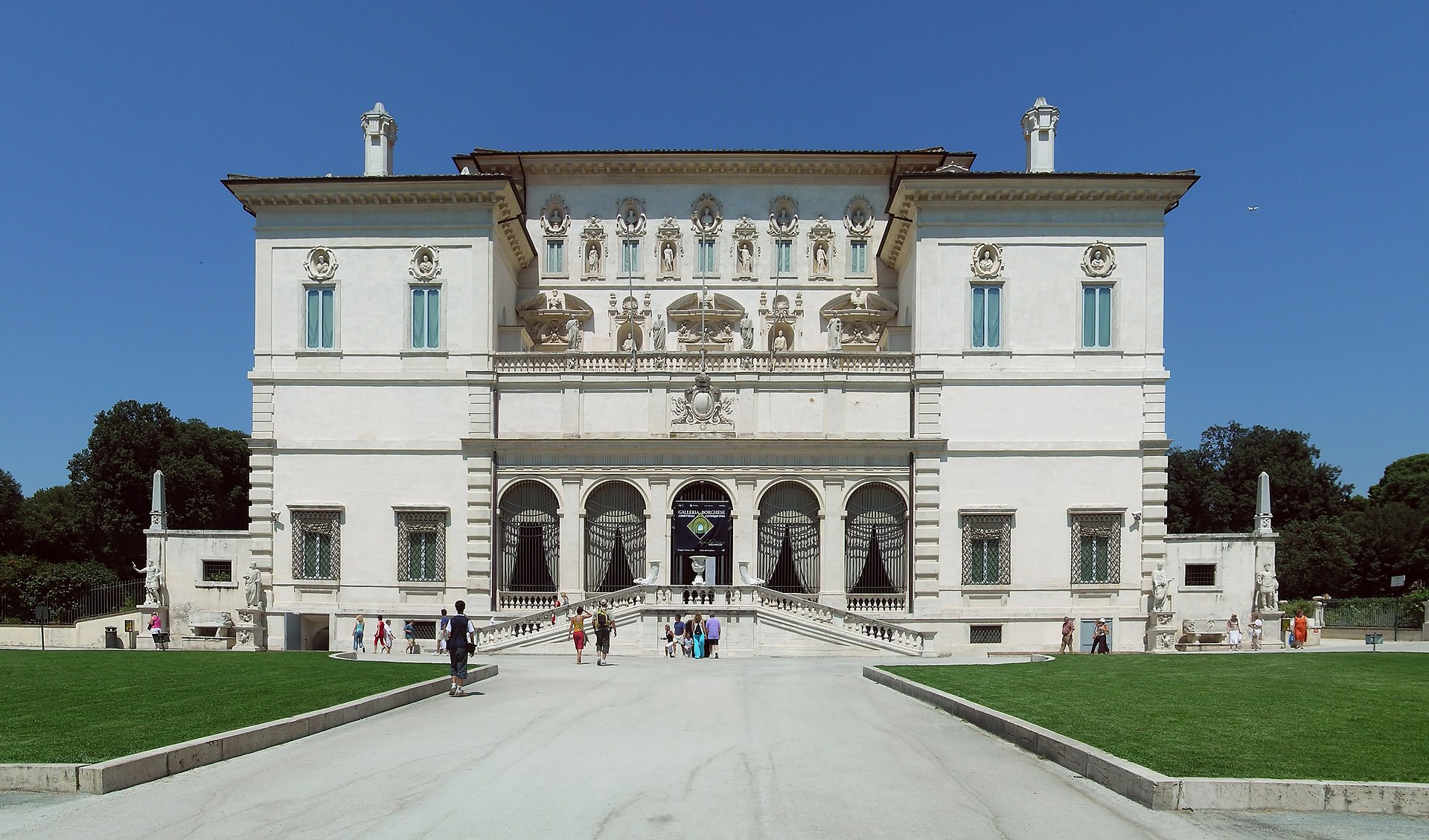
A jewel-box museum inside a cardinal's former villa, the Galleria Borghese holds some of the most breathtaking sculpture in the world, Bernini's 'Apollo and Daphne' and 'The Rape of Proserpina,' where marble turns to flesh and leaf, alongside masterpieces by Caravaggio, Raphael, and Titian. Entry is by strictly timed two-hour slot, so book well ahead. The gallery sits within the vast Villa Borghese gardens, Rome's green lung, where you can rent a rowboat, cycle the paths, or take in the Pincio terrace view over Piazza del Popolo.

📍 View on Google Maps →
Castel Sant'Angelo

📍 Borgo

Castel Sant'Angelo

Begun as Hadrian's mausoleum and later a papal fortress, prison, and refuge (linked to the Vatican by an elevated escape corridor), this cylindrical castle on the Tiber layers two millennia of history into one dramatic spiral climb. Inside are frescoed papal apartments, dungeons, and a small arms collection; the rooftop terrace, crowned by the bronze archangel Michael, delivers a superb 360-degree panorama over the river and St. Peter's dome. The statue-lined Ponte Sant'Angelo out front, adorned with Bernini's angels, is one of Rome's most photogenic bridges.

📍 View on Google Maps →
Trastevere

📍 Trastevere

Trastevere

Across the Tiber, this maze of cobbled lanes, ochre facades, and ivy-strung windows is Rome's most atmospheric neighborhood, equal parts medieval village and buzzing dinner destination. By day, visit the glittering 12th-century mosaics of the Basilica di Santa Maria in Trastevere and browse artisan shops; by night, the piazzas fill with diners spilling from trattorias and wine bars. It is free to wander and endlessly photogenic, the best place in Rome to get pleasantly lost, order cacio e pepe, and let the evening unfold slowly.

📍 View on Google Maps →
Capitoline Museums & Piazza del Campidoglio

📍 Centro Storico

Capitoline Museums & Piazza del Campidoglio

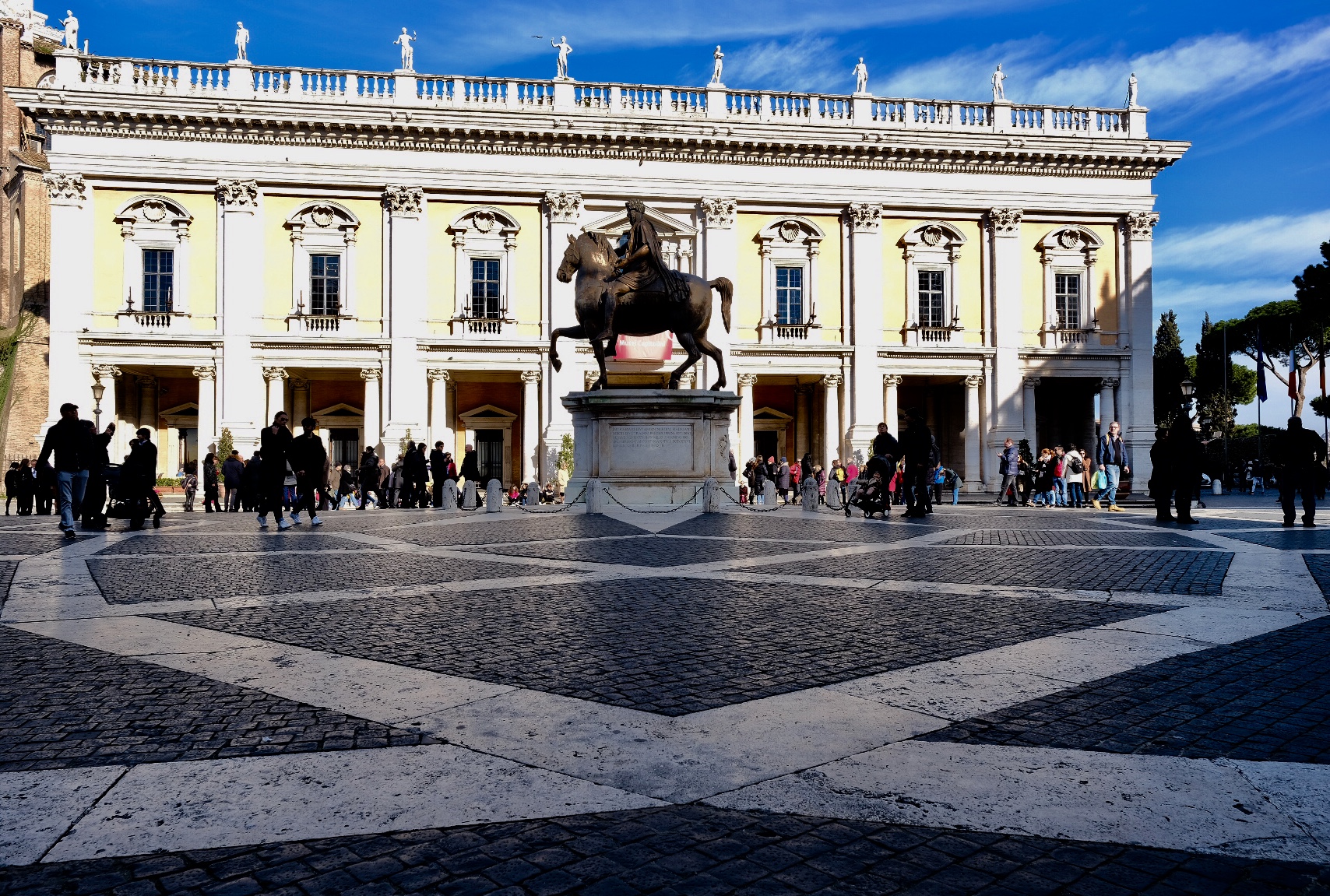
The world's oldest public museums crown the Capitoline Hill in a piazza designed by Michelangelo, its geometric paving radiating around a replica of the equestrian statue of Marcus Aurelius. Inside are icons of Roman art, the she-wolf suckling Romulus and Remus, the colossal fragments of Constantine, and the poignant 'Dying Gaul', plus a terrace café with a fine skyline view. A covered passage leads to the Tabularium for a framed, postcard-perfect vista over the Roman Forum. Ticketed, and blessedly less mobbed than the headline sights.

📍 View on Google Maps →
Campo de' Fiori

📍 Centro Storico

Campo de' Fiori

By morning, this lively square hosts one of Rome's most famous open-air markets, a colorful spread of produce, flowers, spices, and pasta beneath the brooding statue of the philosopher Giordano Bruno, burned here in 1600. By night it transforms into a raucous drinking and dining hub, especially popular with a younger crowd. It is free to browse and a great spot to assemble a picnic or simply soak up the theater of Roman daily life. Nearby lie the elegant Palazzo Farnese and the antique-shop lanes of Via Giulia.

📍 View on Google Maps →
Basilica di Santa Maria Maggiore

📍 Esquilino

Basilica di Santa Maria Maggiore

The grandest of Rome's four papal basilicas dedicated to the Virgin Mary, dazzling with 5th-century mosaics, a gilded coffered ceiling said to use the first gold brought from the Americas, and a Cosmatesque marble floor. It blends every era of Roman art, from Early Christian to baroque, under one soaring roof, and remains a working, deeply revered church. Entry to the basilica is free, with a small ticket for the loggia and the archaeological area below. It is a serene, uncrowded counterpoint to the tourist core, minutes from Termini station.

📍 View on Google Maps →
Basilica di San Giovanni in Laterano

📍 Esquilino / San Giovanni

Basilica di San Giovanni in Laterano

The cathedral of Rome and 'mother of all churches,' San Giovanni in Laterano outranks even St. Peter's in ecclesiastical status and overwhelms with a towering baroque nave lined by colossal apostle statues. Across the street, the Scala Santa (Holy Stairs), said to be from Pilate's palace, is climbed by pilgrims on their knees, and the octagonal Baptistery set the template for Christian baptisteries everywhere. The basilica is free to enter, with small tickets for the cloister and adjacent sites. It rewards travelers who venture just beyond the center.

📍 View on Google Maps →
Via Appia Antica (Appian Way)

📍 Appia Antica

Via Appia Antica (Appian Way)

The 'queen of roads' once carried legions and traders south from Rome, and today its original basalt paving, lined with pines, tombs, and ruined monuments, forms a linear archaeological park perfect for walking or cycling. Rent a bike near the visitor center and roll past the Circus of Maxentius, ancient mausolea, and the entrances to the early-Christian catacombs, hushed underground burial galleries you can tour by guide. Car-free on Sundays and gloriously green, it is the antidote to the crowded center and one of Rome's most evocative half-days.

📍 View on Google Maps →
Baths of Caracalla

📍 Aventino

Baths of Caracalla

Among the most colossal and best-preserved ruins in the city, this 3rd-century imperial bath complex could serve 1,600 bathers at once amid soaring vaulted halls, gyms, libraries, and mosaic floors. The sheer scale of the surviving brick walls, some still 30 meters high, conveys the ambition of Roman engineering better than almost anything else. Ticketed and rarely crowded, it makes a serene, atmospheric visit; on summer nights it becomes a spectacular open-air venue for opera and ballet performed among the ruins.

📍 View on Google Maps →
Piazza del Popolo

📍 Campo Marzio

Piazza del Popolo

A vast, oval neoclassical square marking the historic northern gateway to Rome, framed by an ancient Egyptian obelisk, twin domed 'twin' churches, and the art-filled Santa Maria del Popolo (home to two Caravaggios, free to view). Climb the ramps to the Pincio terrace above for a classic sunset panorama across the rooftops to St. Peter's. It is free, grand, and a natural starting point for strolling the elegant 'Tridente' of shopping streets that fan out toward the Spanish Steps and the Trevi Fountain.

📍 View on Google Maps →
Bocca della Verità

📍 Ripa

Bocca della Verità

In the portico of the medieval church of Santa Maria in Cosmedin hangs the 'Mouth of Truth,' an ancient marble disc carved as a bearded face, which legend says will bite off the hand of a liar, a scene made famous by the film 'Roman Holiday.' The photo op draws a queue, but the church behind it is a quiet Cosmatesque gem, and the surrounding area holds two beautifully intact Roman temples in the Forum Boarium. It is a fun, quick, essentially free stop that pairs well with a walk up the nearby Aventine.

📍 View on Google Maps →
Gianicolo (Janiculum Terrace)

📍 Trastevere / Gianicolo

Gianicolo (Janiculum Terrace)

Though not one of Rome's seven classical hills, the Janiculum offers arguably the finest sweeping view over the entire historic center, a sea of domes, bell towers, and terracotta rooftops best at sunset. The terrace is lined with busts of Garibaldi's fighters, and a cannon is fired here every day at noon, a beloved local ritual. It is free, romantic, and blissfully calm compared to the sights below; walk up from Trastevere, catch the panorama, and stroll down as the city lights flicker on.

📍 View on Google Maps →
Aventine Hill & the Knights of Malta Keyhole

📍 Aventino

Aventine Hill & the Knights of Malta Keyhole

One of Rome's most tranquil and elegant neighborhoods, the leafy Aventine rewards a slow wander with the fragrant Giardino degli Aranci (Orange Garden) and its terrace view over the Tiber bend. The neighborhood's quirky highlight is the 'Aventine Keyhole' at the Priory of the Knights of Malta, peer through the door's keyhole to see St. Peter's dome perfectly framed by a hedged garden. It is free, uncrowded, and a favorite of travelers seeking a quieter, more romantic side of the city away from the marble scrum.

📍 View on Google Maps →
Ostia Antica

📍 Day trip

Ostia Antica

Rome's remarkably intact ancient port city lies just 30 minutes from the center by train, yet feels a world away, a vast, walkable field of paved streets, warehouses, a theater, baths with mosaic floors, taverns with painted counters, and communal latrines. Often called a less-crowded, greener alternative to Pompeii, it lets you stroll through the daily life of imperial Rome at your own pace. Ticketed and easy to reach on a half-day trip, it is a rewarding escape for anyone who wants ruins without the crowds of the center.

📍 View on Google Maps →

Fun Things to Do in Rome

The most fun things to do in Rome lean into the city's theatrical, open-air spirit, where sightseeing, eating, and simply strolling blur into one long, delicious experience.

This is a place where you can walk the floor of a two-thousand-year-old arena in the morning, hunt for the best gelato in the afternoon, and toss a coin into a floodlit fountain at midnight.

The fun here isn't manufactured; it grows out of a city that treats its food, its piazzas, and its evening passeggiata as sacred rituals.

Whether you want gladiator history, a Vespa buzzing past baroque churches, a hands-on pasta class, or an aperitivo spread as the sun drops behind the domes, Rome overflows with options.

These picks span the marquee experiences everyone should try once and the quirkier delights that turn a trip into a story worth telling.

  • Walk the arena floor of the Colosseum

    Standing where gladiators once fought, with the underground hypogeum exposed beneath you, is a genuine goosebump moment. An arena-floor or underground ticket is worth the small premium and the advance booking. Go early or late to feel the scale without the midday crush.

  • Toss a coin into the Trevi Fountain

    The classic Roman ritual: coin over the left shoulder, guaranteeing your return to the city. The baroque spectacle is dazzling day or night, but a late-evening visit lets you actually hear the water and snap a photo without a wall of selfie sticks.

  • Take a pasta or gelato-making class

    Roll your own cacio e pepe or tonnarelli with a local chef, then eat the results with wine. Hands-on cooking classes are a hugely fun, tasty way to spend a few hours and take a real skill home from the trip.

  • Buzz around town on a Vespa tour

    Seeing Rome from the back of a classic scooter, weaving past ruins and fountains with a guide, is exhilarating and very Italian. Even a short tour hits sights you'd never reach on foot and delivers that 'Roman Holiday' thrill.

  • Do a food crawl through Testaccio

    Rome's traditional culinary quarter is made for grazing: supplì, pizza al taglio, fresh pasta, and a bustling market hall. A self-guided or guided tasting crawl here is fun, filling, and shows off the city's earthy, authentic food culture.

  • Descend into the catacombs

    Touring the hushed, candle-cool underground burial galleries beneath the Appian Way is atmospheric and unexpectedly moving. It's a memorable change of pace from marble monuments, and a genuine window into early Christian Rome.

  • Hunt for the best gelato

    Skip the fluorescent tourist tubs and seek out artisan gelaterie for seasonal, natural flavors. Turning gelato into a friendly competition, pistachio here, fruit sorbet there, is one of the simplest joys of a Roman afternoon.

  • Climb St. Peter's dome

    The 551-step haul up Michelangelo's cupola (with a lift for the first stretch) is a fun physical challenge rewarded by a jaw-dropping panorama over the Vatican gardens and the whole city. The narrowing, tilting final stairs are half the adventure.

  • Rent a rowboat in Villa Borghese

    Paddle around the little lake beneath a mock temple in Rome's great park, then rent a bike or a quirky pedal-carriage to explore the shaded paths. It's a playful, low-key break from monuments, especially good with kids or a date.

  • Join the evening passeggiata

    As the heat fades, Romans stroll, window-shop, and gather in the piazzas. Joining the passeggiata, gelato in hand, from Piazza del Popolo down through the Tridente, is free, festive, and the best way to feel the city's rhythm.

Free Things to Do in Rome

There are more free things to do in Rome than almost any other great city, because so much of its beauty is simply out in the open.

Rome's greatest fountains, piazzas, bridges, and ancient monuments cost nothing to admire, and many of its churches, some holding masterpieces by Caravaggio, Michelangelo, and Bernini, are free to enter.

The whole historic center is essentially an open-air museum you can wander for days without paying admission. State museums also offer free-entry days (typically the first Sunday of each month), and countless viewpoints, gardens, and markets are yours for the strolling.

Whether you're traveling on a budget or simply want to feel the city's rhythm without a ticket, these picks prove that the soul of Rome, its art, its ruins, its light, is remarkably free to enjoy. Here are more than a dozen ways to experience the Eternal City for nothing.

  • Marvel at the Pantheon's exterior and piazza

    Even if you skip the (now ticketed) interior, the Pantheon's colossal portico and the lively fountain square in front are free to soak up. Circle the building to grasp how a 1,900-year-old temple still anchors a living neighborhood.

  • Piazza Navona and its Bernini fountain

    Wandering this baroque square, watching the street artists, and admiring the Fountain of the Four Rivers costs nothing. Come in the evening when the fountains are lit and the day-trippers have thinned for a more magical, local feel.

  • Toss a coin at the Trevi Fountain

    The fountain itself is free to enjoy, only the coin is optional. Early morning or late night rewards you with the full baroque drama and the sound of the water, minus the daytime scrum of visitors.

  • Caravaggio hunt in the churches

    Several churches, San Luigi dei Francesi, Santa Maria del Popolo, Sant'Agostino, display major Caravaggio canvases for free. Bring a few coins for the light boxes and enjoy a self-guided masterpiece trail through the center.

  • St. Peter's Basilica

    Entry to the largest church in the world is free (only the dome climb is ticketed). Bernini's baldachin, Michelangelo's 'Pietà,' and the sheer scale of the nave make it one of the great free experiences on earth, dress modestly.

  • The view from the Gianicolo

    Climb to the Janiculum terrace above Trastevere for the finest free panorama over Rome's domes and rooftops, unbeatable at sunset. Time it for noon and you'll catch the daily cannon fire, a beloved local tradition.

  • The Orange Garden and Aventine Keyhole

    The Giardino degli Aranci offers a serene, free terrace view over the Tiber, and a few steps away the famous Knights of Malta keyhole frames St. Peter's dome, one of Rome's most delightful free secrets.

  • Spanish Steps and Piazza di Spagna

    Admiring the sweeping stairway, Bernini's boat fountain, and the elegant streets around them costs nothing. It's a prime, free people-watching perch (just don't sit on the steps, which now carries a fine).

  • Trastevere wander

    Getting lost in Trastevere's cobbled lanes, and stepping into the glittering free mosaics of Santa Maria in Trastevere, is one of the city's great no-cost pleasures. It's especially atmospheric in the early evening.

  • First-Sunday free museum day

    On the first Sunday of many months, state sites, including the Colosseum, Forum, and Borghese grounds, offer free admission. Plan around it (and expect crowds) to see marquee ruins without a ticket.

  • Change of guard and the Vittoriano terraces

    The vast 'wedding cake' monument to Victor Emmanuel II is free to climb for terrace views over the Forum and rooftops (only the top glass lift is ticketed). The Tomb of the Unknown Soldier below is guarded around the clock.

  • Campo de' Fiori morning market

    Browsing the colorful produce, flower, and spice stalls is free and full of local life. Assemble a picnic of cheese, fruit, and bread to eat on a nearby piazza, a delicious, budget-friendly Roman lunch.

  • Ponte Sant'Angelo and the Tiber embankments

    Stroll across the statue-lined bridge with St. Peter's dome ahead, then walk the riverside paths beneath the plane trees. In summer, the Lungotevere hosts free-to-browse night markets and pop-up bars along the water.

  • Villa Borghese gardens

    Rome's great green park is free to roam, with shaded paths, fountains, and the Pincio terrace overlooking Piazza del Popolo. It's the perfect free counterpoint to a morning of museums and marble.

  • Basilica di Santa Maria Maggiore

    This papal basilica's shimmering 5th-century mosaics and gilded ceiling are free to admire and far less crowded than the headline sights. It's a serene, awe-inspiring stop moments from Termini station.

Things to Do in Rome with Kids (Family-Friendly)

Finding things to do in Rome with kids is easier than parents expect, because the city's biggest draws, gladiators, secret passages, giant domes, and endless gelato, are naturally kid-catnip.

The ancient sites turn history into an adventure: children who might yawn at a museum light up walking the Colosseum's arena or spotting the she-wolf on the Capitoline.

Add spacious parks with rowboats and bikes, a Vatican dome to climb, catacombs to explore, and a food culture built on pizza and ice cream, and Rome becomes a surprisingly playful family destination.

The center is compact and walkable, though cobblestones and stairs mean a baby carrier often beats a stroller. Many of the best family experiences are free or cheap, and there's always a fountain to cool off at or a piazza to run around.

These picks balance blockbuster ruins with active, hands-on fun so every age finds something to love.

  • Gladiators at the Colosseum

    Few sights thrill kids like the arena where gladiators fought. Family-friendly guided tours bring the games to life with stories and (kid-safe) drama, and the underground and arena-floor add-ons feel like exploring a giant ancient machine.

  • Climb St. Peter's dome

    The lift plus a spiral staircase up Michelangelo's cupola is a mini-adventure with a huge payoff view. Older kids love the tilting walls near the top; the reward is spotting landmarks across the whole city.

  • Rowboats and bikes in Villa Borghese

    Rent a rowboat on the little lake, a family pedal-carriage, or bikes to explore the shaded paths. It's a relaxed, energy-burning break from monuments, with a small zoo (Bioparco) nearby for younger children.

  • The Mouth of Truth dare

    Kids love putting a hand into the 'Bocca della Verità,' the stone face that supposedly bites liars. It's a quick, free, giggly photo stop straight out of the movies, with two ancient temples right beside it.

  • Explore the catacombs

    The cool, candle-lit underground tunnels along the Appian Way feel like a real-life adventure for curious older kids. Guided tours keep it engaging and not too scary, and the greenery above is great for a picnic after.

  • Gelato taste-test

    Turn dessert into a game: sample artisan gelaterie across the city and vote on favorites. It's the simplest, most reliable crowd-pleaser in Rome, and a sweet way to keep little legs moving between sights.

  • Castel Sant'Angelo's ramps and ramparts

    This spiral fortress feels like a castle out of a storybook, with dungeons, secret passages, and cannon-lined ramparts. The rooftop view over the river and St. Peter's is a fun reward at the top of the climb.

  • Explora Children's Museum

    Near Piazza del Popolo, this hands-on museum lets younger children play at shops, water tables, and building zones, a welcome, weatherproof break designed just for them when the ruins get overwhelming.

  • Chase fountains across the piazzas

    Rome's squares are dotted with fountains, from the Four Rivers to the turtle-topped Fontana delle Tartarughe. Making a game of finding them (and cooling off at drinking-water 'nasoni' spouts) keeps kids engaged as you walk.

  • A day at Ostia Antica

    This intact ancient port, an easy train ride away, lets kids run through real Roman streets, climb an amphitheater, and spot mosaics, far less crowded than the center and endlessly explorable.

  • Ride the little trains and lifts

    From the panoramic lift atop the Vittoriano to Rome's metro and trams, the getting-around can be part of the fun for younger kids. Pair transit hops with piazza pit-stops to keep the day flowing.

Things to Do in Rome for Adults

The best things to do in Rome for adults tap into a city that rewards curiosity, appetite, and a slower pace, whether your idea of a great day involves a Renaissance masterpiece, a plate of perfect carbonara, a natural-wine bar, or a private after-hours tour.

Rome's food and wine culture is deep and unpretentious, from Michelin dining rooms to century-old trattorias where the pasta never changes and never disappoints.

Its art runs from ancient marble to Caravaggio's shadows to Bernini's baroque theater, and specialist tours, early-access Vatican mornings, catacomb descents, underground archaeology, let grown-ups go deeper than the standard circuit.

Beyond sights, adults can lose an afternoon in a spa, a market, or an aperitivo crawl, or take a day trip to the vineyards and hill towns of Lazio. This is a city that lets you indulge without pretense: the luxury feels lived-in and the simple pleasures feel profound.

These picks are built for travelers who want depth, flavor, and atmosphere.

  • Book the Galleria Borghese

    A strictly timed slot with Bernini's gravity-defying sculptures and Caravaggio's canvases in an intimate villa is one of Rome's most sophisticated pleasures. Pair it with a stroll and an espresso in the surrounding gardens.

  • Eat your way through Roman classics

    Book a table for cacio e pepe, carbonara, amatriciana, and coda alla vaccinara at a proper trattoria in Testaccio or Trastevere. Rome's cuisine is soulful and specific, learning its dishes is a delicious project in itself.

  • Early-access or after-hours Vatican

    A pre-opening or evening Sistine Chapel tour lets you experience Michelangelo's ceiling in relative calm, a world away from the daytime crush. It's a splurge that transforms one of Rome's greatest sights.

  • Natural-wine and aperitivo crawl

    Rome's wine bars, from Monti to Trastevere, pour excellent Lazio and Italian bottles alongside cheese and salumi boards. A slow evening of aperitivo-hopping is the grown-up way to graze and drink through the city.

  • Underground Rome tours

    Descend beneath San Clemente to a 1st-century temple of Mithras, or explore the layers under other churches and streets. These specialist archaeology tours reveal the hidden city stacked beneath the modern one.

  • A day trip to Tivoli

    Just outside Rome, Hadrian's Villa and the fountain-laden gardens of Villa d'Este make a refined, romantic escape. It's an easy, rewarding day for travelers who want gardens, ruins, and fewer crowds.

  • Coffee culture, done properly

    Take your espresso standing at a historic bar, or seek out Rome's serious specialty roasters. Understanding the ritual, when to order a cappuccino, how to drink at the counter, is a small, satisfying adult pleasure here.

  • Opera among the ruins

    In summer, the Baths of Caracalla host grand open-air opera and ballet amid floodlit ancient walls. It's an unforgettable, atmospheric night out and one of the great cultural experiences in Europe.

  • Shop the Tridente and artisan lanes

    Browse the luxury flagships of Via dei Condotti or the antique shops and artisan workshops of Via Giulia and Via dei Coronari. Rome's shopping ranges from high fashion to one-of-a-kind craft.

  • A Lazio wine-country excursion

    The Castelli Romani hill towns south of the city offer volcanic-soil wines, lakeside lunches, and papal Castel Gandolfo. A guided or self-driven day trip trades marble for vineyards and long, leisurely tables.

Romantic Things to Do in Rome for Couples

The most romantic things to do in Rome for couples make the most of the city's golden light, its intimate lanes, and its unhurried, sensual approach to food and evenings.

Few places are as effortlessly romantic as Rome at dusk, when the travertine turns honey-colored, the fountains catch the last sun, and every cobbled corner seems staged for a slow walk hand in hand.

Couples can build an entire escape around it: a sunrise Colosseum with no crowds, a lazy Trastevere lunch, a sunset over the domes from the Janiculum, and a candlelit dinner followed by a floodlit fountain at midnight.

Beyond the postcard moments, the city offers quieter romance too, garden strolls, keyhole views, rowboats, and hidden churches.

Whether you're celebrating an anniversary or simply escaping together, these picks blend the grand and the intimate to help you fall for the city, and each other, all over again.

  • Sunset from the Gianicolo

    The Janiculum terrace over Trastevere delivers the city's most romantic sunset: a sea of domes turning gold, the perfect prelude to dinner in the lanes below. Bring a bottle and watch the lights come on together.

  • Trevi Fountain at midnight

    Return after the crowds vanish to have the floodlit baroque spectacle nearly to yourselves. Toss your coins side by side, the tradition promises you'll come back to Rome together.

  • Get lost in Trastevere after dark

    Wander the ivy-strung, lantern-lit lanes, find a candlelit trattoria, and share cacio e pepe and a carafe of house wine. It's the most romantic dinner setting in the city, no reservation, just serendipity.

  • The Aventine keyhole and Orange Garden

    Peek through the famous keyhole to see St. Peter's framed by a garden, then watch the sun set over the Tiber from the fragrant Giardino degli Aranci. It's a quiet, magical corner few tourists reach.

  • A rowboat in Villa Borghese

    Drift around the little lake beneath a mock temple, then stroll to the Pincio terrace for the view over Piazza del Popolo. It's a gentle, old-fashioned kind of romance in the heart of the park.

  • Rooftop aperitivo over the city

    Toast from a hotel rooftop bar as the domes glow at dusk. Several terraces near the center frame St. Peter's or the Pantheon, pure, unhurried romance with a spritz in hand.

  • Sunrise at the Colosseum

    Arrive at opening (or take an early tour) to experience the arena in soft morning light and near-silence. Sharing that scale before the crowds descend is a genuinely awe-struck, connecting moment.

  • A slow morning at the Pantheon

    Step inside early to watch the shaft of light move across the marble beneath the oculus, then linger over coffee in the piazza. It's a quiet, timeless start to a day for two.

  • Ponte Sant'Angelo at blue hour

    Cross the angel-lined bridge as the sky turns violet and St. Peter's dome glows ahead. The Tiber embankments below make for a dreamy, unhurried evening stroll.

  • A cooking class for two

    Roll fresh pasta together with a local nonna or chef, then share the meal with wine. Making something with your hands, and then eating it, is a warm, playful kind of date.

Things to Do in Rome at Night

The list of things to do in Rome at night is where the city sheds its daytime crowds and turns cinematic.

Once the tour groups melt away, the great monuments, floodlit and near-empty, become something close to magical: the Colosseum glowing amber, the Trevi Fountain roaring to an audience of a few, the Pantheon's portico silvered under the moon.

Rome's after-dark identity is built on long, late dinners and the ritual of the passeggiata, then aperitivo and wine bars in Monti, Trastevere, and around Campo de' Fiori that hum until the small hours.

Summer adds open-air cinema, riverside night markets along the Tiber, and opera among ancient ruins. Whether you want a raucous night out with a young crowd, a sophisticated rooftop cocktail, or simply a moonlit walk between fountains, Rome after dark has range.

These picks capture the many moods of the Eternal City once the sun goes down.

  • Floodlit monument walk

    String together the Trevi Fountain, Pantheon, Piazza Navona, and Campidoglio after dark, when they're beautifully lit and blissfully uncrowded. It's free, romantic, and the single best way to experience central Rome at night.

  • Aperitivo in Monti

    This bohemian neighborhood below the Forum is packed with wine bars and buzzing piazzas. Start the evening here with a spritz and a snack board among a stylish, mostly local crowd.

  • Dinner and drinks in Trastevere

    The lanes fill with diners spilling from trattorias and revelers bar-hopping late. It's the liveliest, most atmospheric nightlife quarter, equal parts romantic dinner and buzzing night out.

  • Rooftop cocktails with a dome view

    Several hotel terraces near the center serve well-made drinks framed by floodlit domes. Timing arrival for sunset means watching the city shift from gold to glittering as the lights come on.

  • Opera at the Baths of Caracalla

    On summer nights, grand opera and ballet play out among towering illuminated ruins. It's a spectacular, unforgettable evening and one of Europe's great open-air cultural experiences.

  • Tiber-side summer festival

    From June to September, the Lungotevere transforms into a long riverside strip of pop-up bars, food stalls, and craft markets. Strolling it after dinner is a relaxed, festive way to spend a warm night.

  • Campo de' Fiori after dark

    The morning market square flips into a rowdy, youthful drinking hub by night. It's lively and unpretentious, best for a casual, high-energy evening with a younger crowd.

  • Jazz in a cellar club

    Rome has a warm, low-key jazz scene in intimate cellar and club venues. Squeezing into a small, candle-lit room for a late set is a sophisticated, atmospheric alternative to the bar crawl.

  • Open-air cinema under the stars

    In summer, screens pop up in piazzas, gardens, and on Tiber Island for open-air film festivals. Catching a movie on a balmy Roman night, ruins in the backdrop, is a lovely, local thing to do.

  • Gelato-and-stroll nightcap

    Cap the night the Roman way: an artisan gelato and a slow walk between floodlit fountains. Simple, cheap, and quintessential, it's the sweetest possible end to an evening in the city.

Indoor Things to Do in Rome (Rainy Day)

The best indoor things to do in Rome turn a gray or rainy day into an opportunity, because so much of the city's greatest art and history is gloriously under cover.

Rome's museums and basilicas are among the richest on earth, and many, from the Vatican's endless galleries to the free Caravaggio churches, are steps from one another in the center.

When the weather turns, you can spend hours beneath Michelangelo's ceiling, wander the marble halls of the Capitoline Museums, descend into the layered underground of San Clemente, or simply linger over a long lunch in a market hall.

Rome also does cozy indoor pleasures beautifully: espresso at a historic caffè, a spa or thermal soak, a leisurely trattoria meal that stretches through the storm. Many of these picks are free or cheap and easily reached without long spells outside.

When the rain rolls in off the Tiber, these are the places that make you grateful for a reason to stay in.

  • The Vatican Museums

    Hours vanish inside one of the world's greatest collections, from the Raphael Rooms to the Sistine ceiling. A rainy day is the perfect excuse to go slowly, book a timed entry and plan for at least half a day.

  • Capitoline Museums

    The world's oldest public museums shelter icons of Roman art, the she-wolf, the Dying Gaul, colossal Constantine, in Michelangelo's palaces. It's a rich, weatherproof morning with a fine café-terrace view when the rain lifts.

  • San Clemente's underground layers

    Beneath a medieval church lie a 4th-century basilica and a 1st-century Mithraic temple, three eras stacked in one dry, fascinating descent. It's the quintessential 'hidden Rome' rainy-day experience.

  • Galleria Borghese

    A timed slot with Bernini's sculptures and Caravaggio's canvases is a jewel-box escape from the weather. Book ahead, the strict two-hour window makes it calm and unhurried inside.

  • Caravaggio church crawl

    Duck between San Luigi dei Francesi, Sant'Agostino, and Santa Maria del Popolo to see major Caravaggios for free. It's a dry, self-guided masterpiece trail through the heart of the center.

  • Palazzo Doria Pamphilj

    This opulent private gallery hides Velázquez's famous portrait of Innocent X and rooms dripping with old masters, with an excellent audio guide narrated by the family. It's an atmospheric, underrated wet-weather gem.

  • St. Peter's Basilica

    The vast interior, Bernini's baldachin, and Michelangelo's 'Pietà' make for an awe-inspiring, free, and entirely covered visit. Save the dome climb for clearer skies and simply linger in the nave.

  • The Pantheon

    Standing beneath the great dome as rain falls through the oculus is a genuinely magical, only-in-Rome moment. The interior is compact, dramatic, and a short, ticketed dash from cover to cover.

  • A long trattoria lunch

    Rome's cuisine is made for lingering: settle into a family-run trattoria and let a multi-course meal, pasta, a secondo, wine, carry you through the worst of the storm. It's a delicious way to wait out the weather.

  • A market hall food tour

    The covered Testaccio Market or Mercato Centrale near Termini let you graze many vendors under one dry roof. It's a sheltered, tasty way to eat through the city's flavors in a single stop.

  • Palazzo Massimo (National Roman Museum)

    Home to breathtaking ancient frescoes, including the garden room of Livia's villa, mosaics, and sculpture, this often-quiet museum near Termini is a superb, weatherproof deep-dive into Roman art.

  • A thermal spa afternoon

    Rome's spas and wellness centers, some evoking the ancient baths, offer a warm, restorative escape from a cold, wet day. It's a relaxing, grown-up way to turn bad weather into a treat.

Things to Do in Rome by Season

Rome is a year-round city, but each season changes its mood, its crowds, and the way you'll want to plan.

Spring and fall are the sweet spots, mild, golden, and made for walking, while summer brings long days, open-air opera, and a hotter, busier center, and winter offers cool, quiet, atmospheric sightseeing and the drama of the Christmas season.

Because the historic core is compact and largely outdoors, the weather shapes your itinerary as much as your interests do. Here's how to make the most of the Eternal City whenever you visit.

December

December wraps Rome in a quieter, festive glow. The weather is cool but often mild, crowds thin outside the holidays, and the city fills with nativity scenes (presepi) displayed in churches and piazzas, a beloved Roman tradition. Piazza Navona hosts a Christmas market, shop windows and streets twinkle with lights, and the Vatican unveils its towering tree and nativity in St. Peter's Square. Christmas itself is deeply atmospheric here, with midnight Masses and a hushed, reverent city. It's an ideal month to pair uncrowded ancient sites with cozy trattoria lunches and long espresso breaks. Pack a warm coat and an umbrella, but expect a magical, less-touristed version of the city.

Nativity scenes (presepi) in the churchesChristmas market in Piazza NavonaThe Vatican tree and nativity in St. Peter's SquareUncrowded Colosseum and ForumCozy trattoria lunches

January

January is the calmest, most local month in Rome, cool, sometimes rainy, and refreshingly free of crowds. It's the season to enjoy the great museums and basilicas at their most peaceful, wander the Vatican or Borghese without the summer scrum, and take advantage of lower hotel rates and easy restaurant reservations. The Epiphany (January 6, the 'Befana') brings a lively toy-and-sweets market to Piazza Navona and marks the true end of the holidays. Bundle up for bright, brisk walks between floodlit monuments, then duck into churches, galleries, and warm osterias. For travelers who prize quiet and value, January shows Rome at its most authentic and affordable.

Befana (Epiphany) market in Piazza NavonaPeaceful Vatican MuseumsOff-season museum and gallery daysLong lunches in warm osteriasFloodlit monument walks

February

February keeps the low-season calm but adds a spark of romance and color. It's an excellent month for a Valentine's escape, candlelit Trastevere dinners, quiet museum mornings, and rooftop aperitivi, with crowds still thin and rates still low. Toward month's end, Carnevale brings costumes, confetti, and sweet frappe and castagnole pastries to the piazzas, a festive, family-friendly flourish. The weather remains cool and changeable, so lean into indoor riches, the Capitoline, the Vatican, the Caravaggio churches, while keeping an eye out for the first bright, mild days that hint at spring. It's a rewarding, uncrowded time to experience the city like a local.

Valentine's dinner in TrastevereCarnevale costumes and pastriesQuiet gallery and museum morningsRooftop aperitivo on mild eveningsCaravaggio church trail

Spring

Spring may be the finest time to visit Rome. As the weather warms, the city blooms, azaleas cascade down the Spanish Steps, wisteria drapes the lanes, and the parks and gardens turn lush and green. Long, mild days are perfect for walking the Forum, cycling the Appian Way, and lingering on reopened piazza terraces. Easter is a major event, drawing pilgrims for the Pope's ceremonies and a packed St. Peter's Square, and Rome's birthday (April 21) brings parades and reenactments. Crowds build toward summer but remain manageable in early spring, and the light is gorgeous. Pack layers for cool mornings and warm afternoons; this is Rome at its most beautiful and comfortable.

Azaleas on the Spanish StepsCycling the Appian WayEaster ceremonies at the VaticanRome's birthday reenactments (April 21)Gardens and terraces in bloom

Summer

Summer is Rome at full, sun-baked throttle, long days, warm nights, and an open-air cultural calendar that runs until dawn. It's hot, often intensely so in July and August, and the marquee sites are at their busiest, so start early, carry water, and refill at the city's 'nasoni' fountains. The reward is magic after dark: opera among the ruins of Caracalla, riverside festivals along the Tiber, open-air cinema, and floodlit monuments to yourself. Many Romans decamp to the coast in August, leaving parts of the city quieter (and some restaurants closed). Embrace the rhythm, sightsee in the cool morning, rest at midday, and live outdoors in the evening, and summer delivers unforgettable Roman nights.

Opera at the Baths of CaracallaTiber-side summer festivalOpen-air cinema in the piazzasEarly-morning ruins before the heatLate aperitivo and floodlit walks

Fall

Fall is a golden, food-focused season in Rome, arguably tied with spring as the best time to visit. The searing summer heat breaks, crowds thin after August, and the light turns soft and amber over the ruins. It's prime time for walking-heavy days, the Forum, Trastevere, the Appian Way, and for eating: this is truffle, mushroom, artichoke, and new-wine season, celebrated in trattorias and neighborhood sagre. Cultural life returns in force with festivals and gallery openings, and mild days make long lunches on the piazza a joy. The weather stays pleasant into November before the rains arrive. With comfortable temperatures, harvest flavors, and a relaxed pace, fall offers the best of the city without the summer scrum.

Truffle and mushroom season in the trattoriasGolden light over the ForumCycling and walking the Appian WayAutumn food festivals (sagre)Long lunches on the piazza

Rome Neighborhoods: Where to Explore

Rome is a city of rioni, historic districts, each with its own character, and the city truly reveals itself once you slow down and explore them on foot. From the monument-packed Centro Storico to the ivy-draped lanes of Trastevere and the earthy food quarter of Testaccio, getting between them is easy on foot or by metro, tram, and bus. Whether you want ancient ruins, baroque piazzas, bohemian bars, papal grandeur, or authentic Roman food far from the crowds, there's a neighborhood tailored to your mood. Here are six essential areas to explore, each rewarding a half-day wander.

Neighborhood

Centro Storico

The dense, dazzling historic core packs the Pantheon, Piazza Navona, the Trevi Fountain, and Campo de' Fiori into a walkable web of baroque piazzas and narrow lanes. This is where most first-timers base themselves, steps from the marquee sights, atmospheric at every hour, and endlessly strollable. By day it hums with visitors and street life; by night the floodlit monuments and quiet cobbles feel almost private. It's the natural heart of any Roman itinerary and the launch point for wandering in every direction.

Neighborhood

Trastevere

Across the Tiber, Trastevere is Rome's most atmospheric quarter, a maze of ochre facades, ivy-strung windows, and lantern-lit lanes that feel like a medieval village. By day, visit the golden mosaics of Santa Maria in Trastevere and browse artisan shops; by night, the piazzas overflow with diners and revelers spilling from trattorias and wine bars. It's the best place in Rome to get pleasantly lost, eat classic Roman pasta, and let a long evening unfold. Climb to the Gianicolo terrace above for the city's finest sunset view.

Neighborhood

Monti

Tucked between the Colosseum and Termini, Monti is Rome's oldest rione reborn as its coolest, a bohemian tangle of vintage boutiques, natural-wine bars, artisan workshops, and buzzy piazzas. It's ideal for aimless browsing by day and aperitivo by night, with a stylish, mostly local crowd. The neighborhood sits moments from the ancient sites yet feels a world apart, creative, relaxed, and full of character. It's the perfect base for travelers who want ruins on the doorstep and a real neighborhood scene after dark.

Neighborhood

Prati & the Vatican (Borgo)

North of the Vatican walls, elegant, orderly Prati offers wide boulevards, excellent restaurants, and some of the city's best shopping, a refined contrast to the tangled center. The adjoining Borgo leads to St. Peter's Square and the Vatican Museums, so it's a convenient, calmer base for visiting the Holy See. Wander Via Cola di Rienzo for food shops and boutiques, grab a superb pizza or gelato, and enjoy a neighborhood that feels distinctly Roman yet less touristed. Castel Sant'Angelo and its angel-lined bridge anchor the district by the river.

Neighborhood

Testaccio

Rome's traditional culinary heart, working-class Testaccio is where you'll find some of the city's most authentic food, offal-rich Roman classics, a bustling covered market, and beloved pizza and pasta institutions. Built partly on a hill of ancient Roman pottery shards (Monte dei Cocci), it also holds the atmospheric non-Catholic cemetery where Keats and Shelley rest. By day it's a food-lover's playground; by night, converted warehouses host clubs and live music. It's the neighborhood for travelers who want to eat like a Roman, far from the tourist menus.

Neighborhood

Aventino & Ripa

One of Rome's seven hills, the leafy, upscale Aventine is a tranquil retreat of gardens, churches, and villas just south of the center. Don't miss the fragrant Orange Garden and its Tiber view, the ancient basilica of Santa Sabina, and the famous Knights of Malta keyhole framing St. Peter's dome. Below, the Ripa district holds the Mouth of Truth and two intact Roman temples in the Forum Boarium. It's a serene, romantic area for a slow, view-filled wander away from the crowds.

Where to Stay & Getting Around

🏨Stay22 smart map, compare stays near every attraction. Affiliate slot (stub).

See our full Best Hotels in Rome guide for the best areas, and plan smoothly with our Rome travel tips.

Frequently Asked Questions

Is Rome a walkable city?

Yes, Rome's historic center is very walkable, with the Colosseum, Forum, Pantheon, Trevi Fountain, and Piazza Navona all within a compact core connected by cobbled streets and piazzas. Wear comfortable shoes for the cobblestones, and use the metro, trams, and buses for longer hops like the Vatican or Appian Way.

How many days do you need in Rome?

Three to four days is ideal for a first visit, enough to see the Colosseum and Forum, the Vatican, the Pantheon and Trevi Fountain, and a couple of neighborhoods like Trastevere. Add a fifth day for the Appian Way, the Borghese, or a day trip to Ostia Antica or Tivoli.

What's the best area to stay in Rome?

For first-timers, the Centro Storico and Monti are the most convenient, walkable to the top sights and full of atmosphere. Trastevere is great for dining and character, Prati is calmer and handy for the Vatican, and the area near Termini offers value and transit links.

What are the best free things to do in Rome?

Many of Rome's highlights are free: the Trevi Fountain, Piazza Navona, the Spanish Steps, St. Peter's Basilica, Trastevere's lanes, the Gianicolo viewpoint, Villa Borghese gardens, and Caravaggio-filled churches. State sites like the Colosseum are often free on the first Sunday of the month.

Do you need to book tickets in advance in Rome?

Yes, for the big sites. Book timed tickets for the Colosseum (with the Forum and Palatine) and the Vatican Museums well ahead to skip long lines, and reserve the Galleria Borghese, which admits visitors only in strict two-hour slots. Many churches and piazzas, however, are free and need no booking.

What is the best time of year to visit Rome?

Spring (April–June) and fall (September–October) offer the best mix of mild weather and manageable crowds. Summer is hot and busy but brings open-air opera and festivals, while winter is cool, quiet, and atmospheric, with lower prices and a magical Christmas season.